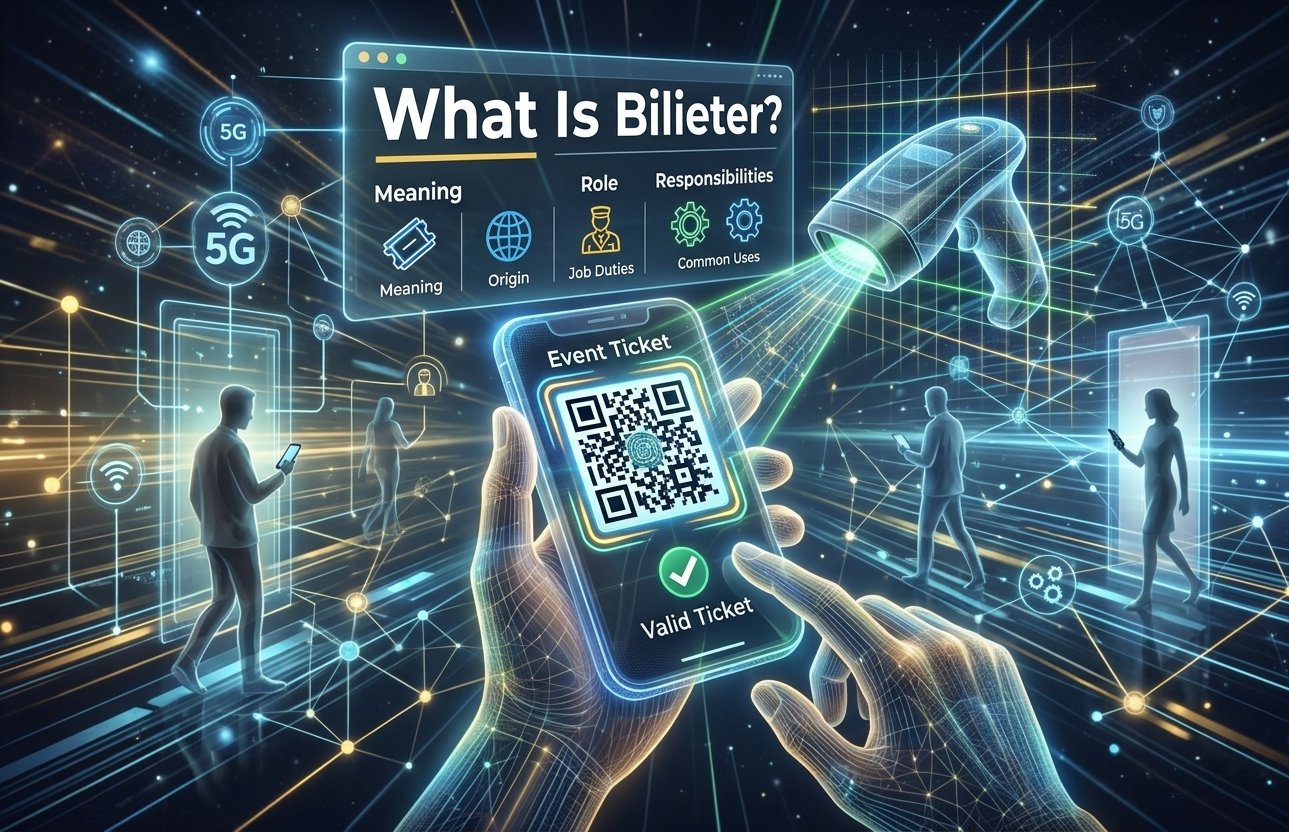
Digital entry systems are transforming how major conferences, sports games, and concerts manage large crowds. The concept of bilieter is increasingly discussed alongside digital tickets, mobile passes, and automated scanning technologies. Organizers need smarter ways to verify entry quickly without causing long delays at venue gates. Understanding how these concepts link together helps event teams choose better technology solutions.
Understanding Bilieter: Etymology, Meaning & Misconceptions
Etymology & Language Origins
The term bilieter shares strong language links with older European terms related to admission passes. It is closely related to the Polish word bileter, which means a ticket collector or venue usher. Both terms trace their roots back to the French word billet, which originally meant a short note or written pass. Over time, these linguistic variations evolved to describe entry management and access control.
Is Bilieter a Job Role, a System, or a Website?
Depending on the context, people use bilieter to describe a person, an entry system, or an online resource. In traditional settings, it points toward human ticket checking and seating assistance. In online discussions, it often appears as a domain name or a tech term for ticketing systems. The surrounding text usually clarifies whether it refers to a human role or a digital platform.
Common Misunderstandings
- Not a Standard English Dictionary Word: It is primarily a search term, online brand name, or foreign spelling variant.
- Different From Billeter: The English word billeter relates to military lodging assignments rather than venue tickets.
- Distinct From Billete: The Spanish word billete means a physical paper ticket or banknote.
The Evolution of Event Entry: From Traditional Ushers to Digital Systems
Traditional Usher & Ticket Collector Roles
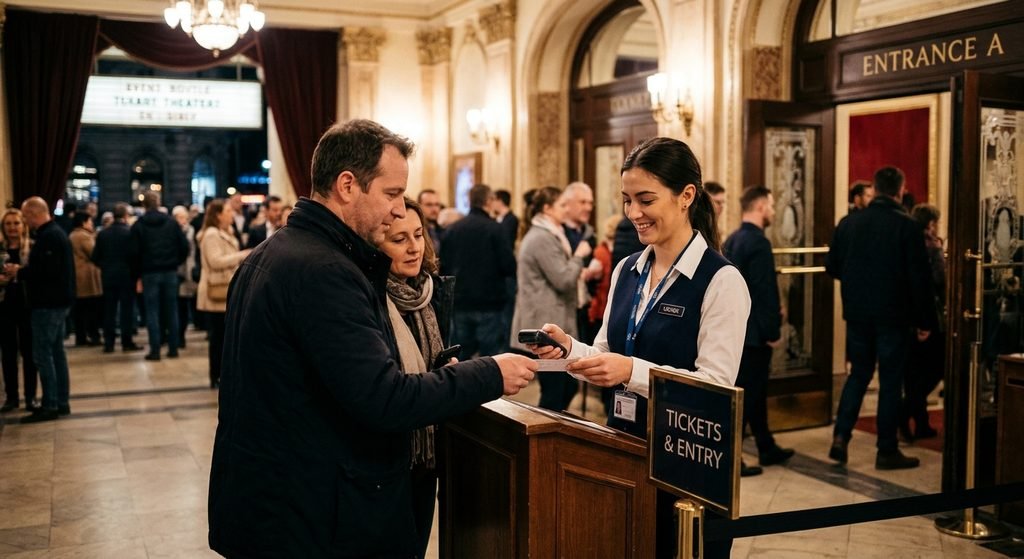
Historically, venue staff checked physical paper tickets at cinema doors and theater entrances. Ushers guided attendees to assigned seats, answered basic venue questions, and managed physical entry lines. Their main focus was manual verification, which often led to slower entry speeds during peak hours. Today, these manual tasks are heavily supported by electronic software and mobile scanners.
The Transition: Paper Tickets vs. Digital Passes
| Feature | Traditional Paper Tickets | Modern Digital Passes |
| Delivery Method | Printed paper or postal mail | Email, mobile app, or digital wallet |
| Verification | Manual visual check | High-speed QR scanner or optical check |
| Data Record | Hand-recorded entry logs | Real-time database syncing |
| Common Risk | Lost, torn, or misplaced passes | Low phone battery or poor connectivity |
How Digital & AI Ticketing Systems Work
Step-by-Step Ticket Generation & Verification Workflow
Modern digital event software simplifies the registration process for both event hosts and attendees. First, an organizer lists an event and sets up digital pass options on the system. Next, attendees complete their registration online and receive a unique digital pass directly on their mobile device. Finally, gate staff scan the pass, and the system instantly updates the entry database.
QR Code Scanning, Mobile Wallets & Access Control Security
Digital access tools rely on encrypted QR codes to maintain venue security and stop fraud. Each mobile ticket generates a unique barcode linked directly to an official attendee record. When gate scanners process the code, the central server flags the ticket as used to block duplicate entries. This automated process protects event revenues while reducing long lines at entry gates.
AI-Powered Features: Smart Gateways, Fraud Detection & Analytics
Artificial intelligence adds an extra layer of automation to modern venue management tools. AI algorithms can monitor entry traffic patterns and notify supervisors about unexpected entry bottlenecks. System smarts also detect unusual booking patterns to prevent automated bots from reselling tickets at unfair prices. These advanced features help organizers run safer, more efficient public and private gatherings.
Benefits of Digital Ticketing Platforms for Event Organizers
- Accelerated Entry Speeds: Scanners reduce check-in times to just a few seconds per guest.
- Automated Line Management: Clear digital check-ins keep waiting crowds moving steadily.
- Paperless Administration: Organizers save costs by eliminating physical paper ticket printing.
- Real-Time Data Analytics: Event managers can track live attendance numbers instantly on digital dashboards.
Technical Challenges & Troubleshooting at Event Gates
What Happens When Digital Scans Fail?
Technical issues can occasionally interrupt the digital check-in process at venue gates. Cracked phone screens, low screen brightness, or temporary network drops can delay QR code scans. Staff members are trained to adjust screen settings or manually enter order numbers into the database. If the pass remains invalid, the attendee is directed to an onsite help desk for verification.
Device Care, Connectivity & Manual Backup Protocols
Venues must maintain strong hardware setup and backup protocols to prevent entry delays. Scanner devices need stable Wi-Fi connections and fresh backup batteries during long shifts. Gate teams often keep offline database copies on scanning handsets in case internet access drops. Proper device maintenance ensures smooth crowd flow even during unexpected technical outages.
Platform Legitimacy, Safety & Comparison
Safety Audit: Verification, Privacy & Risk Factors
When evaluating an emerging platform like bilieter, organizers must verify its technical features carefully. Unverified platforms should be checked for official business contacts, clear privacy policies, and secure payment processing. Event hosts should test scanning speed and ticket generation before launching public sales. Protecting customer payment data and personal information must always remain the top priority.
Bilieter vs. Established Platforms
| Platform Name | Core Focus / Category | Key Considerations |
| bilieter | Event tech concept & emerging ticketing resource | Needs independent feature verification before deployment |
| Eventbrite | Global ticket sales, marketing & discovery | Standard commission fees and wide regional support |
| Ticket Tailor | Self-service ticketing & flat-rate pricing | Flexible payment integrations for independent organizers |
Who Should Consider AI-Powered & Digital Ticketing Solutions?
Event planners who manage conferences, festivals, or sports arenas benefit immensely from digital access tools. Small community organizers can adopt basic mobile ticketing to eliminate paper lists and reduce entry confusion. Technology enthusiasts interested in smart automation can explore how AI is transforming real-time crowd logistics. Ultimately, any venue seeking faster entry and better security should upgrade to digital access systems.
Conclusion
The evolution from manual entry checking to digital ticketing has reshaped the event management industry. While terms like bilieter carry historical links to human ushers, modern event tech centers on mobile passes and AI automation. Smart scanning systems and real-time database tracking create safer, faster venue experiences for everyone. As access technology advances, event organizers must continue adopting verified, secure digital entry solutions.
FAQs
What is bilieter in simple terms?
It is a term linked to ticket checking, venue ushers, and digital event entry systems. It originates from foreign language words for ticket collectors and is also used as an event tech resource name.
How do digital ticket scanners improve gate safety?
Scanners read encrypted QR codes instantly to verify valid entries and block duplicate or fake tickets. This keeps entry lines moving fast and prevents venue overcrowding.
Can AI help prevent event ticket fraud?
Yes, AI tools can track booking patterns, block automatic buyer bots, and verify ticket authenticity in real time. This protects both event organizers and genuine ticket buyers.
What should staff do if a digital scanner fails at the door?
Staff should increase phone screen brightness, re-scan from a different angle, or look up the booking by customer name. If needed, the guest is sent to an event help desk for manual verification.